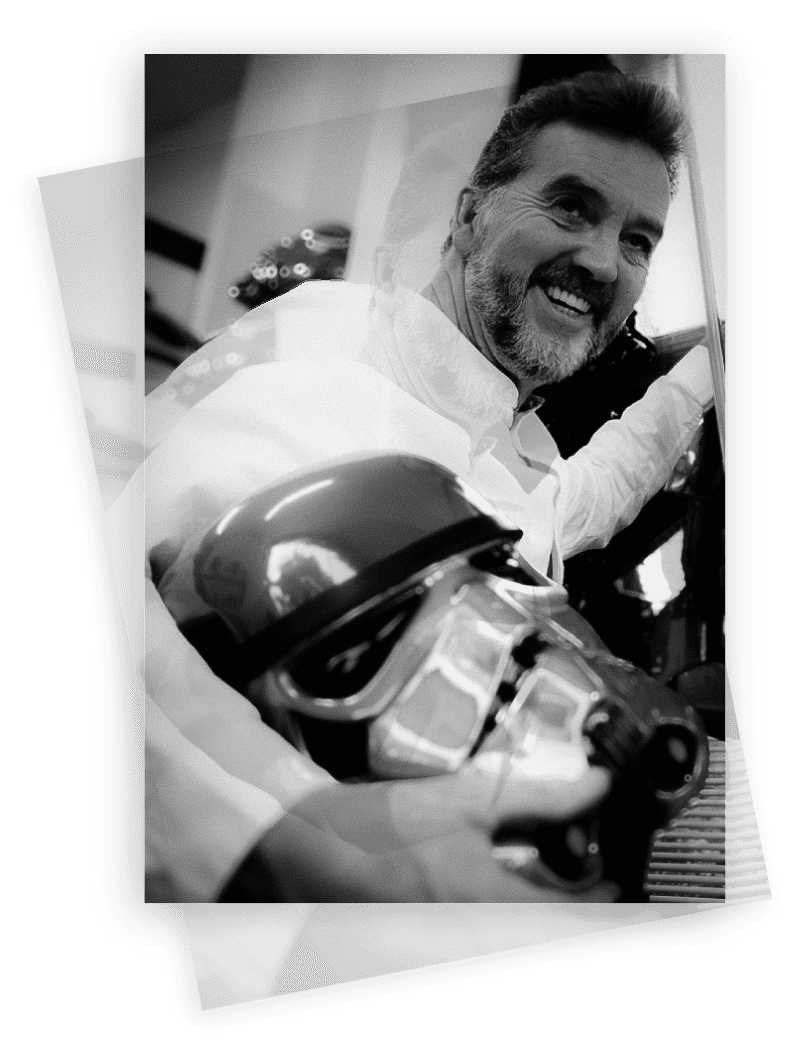
How did it
all start?

“One day a good friend of mine had an enquiry for a futuristic military character. He was a scenic artist and had no Idea how to produce an entire army of slick, three dimensional characters. He was however an excellent artist, with an enviable outlook on life...and had a shared passion for cars too! He asked me if I could make him something workable - I didn't think twice..."
The Journey
1975
"The Beginning"
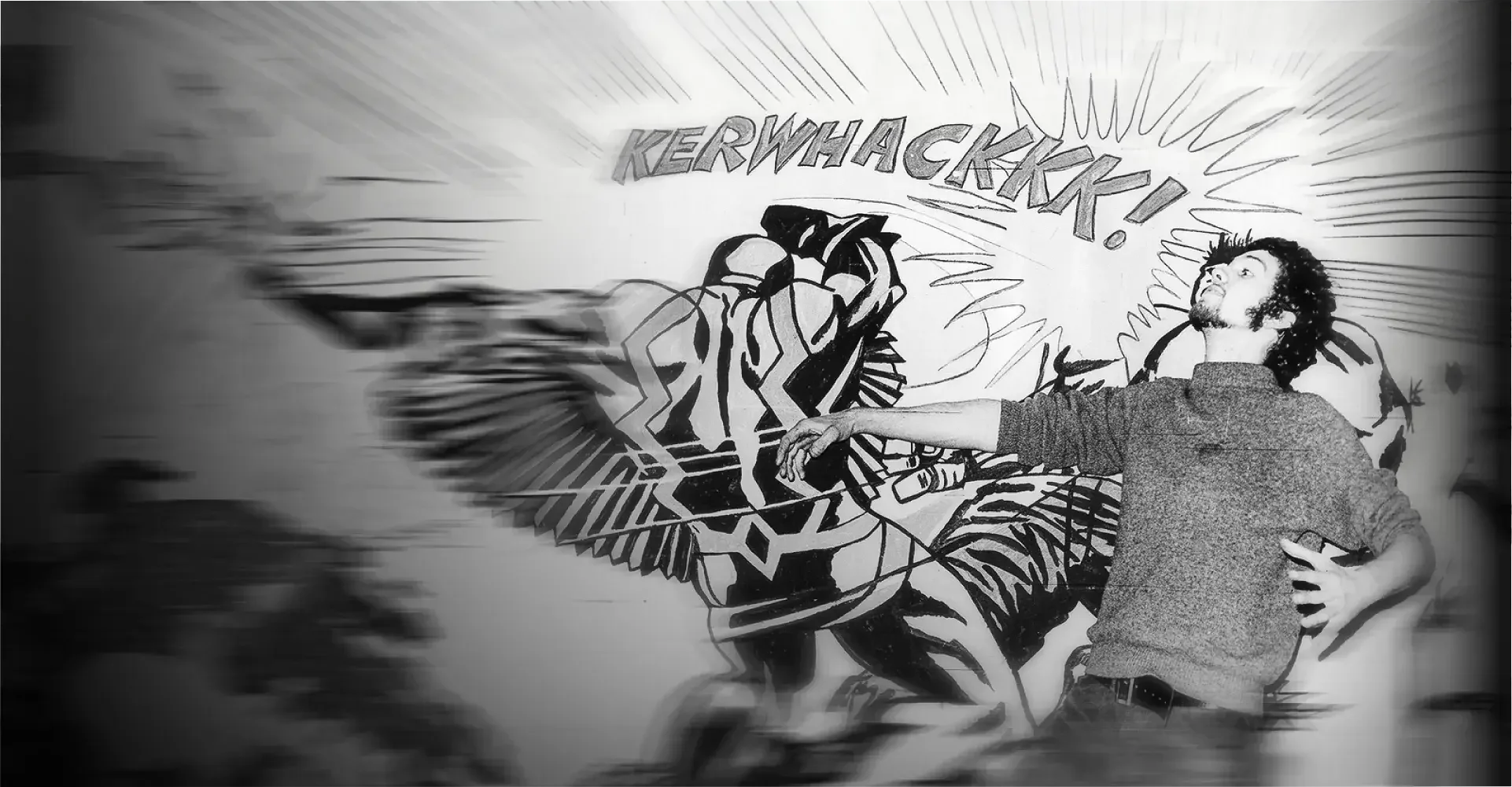
Nick Pemberton was contacted by the 'Buyer' for Star Wars to supply helmets, masks, belts and similar artefacts. He was a scenic artist with a union ticket and working as an outside contractor to the film and television industry. Nick took the job on without knowing how he would create these futuristic, slick characters - but as he recalls, I know a man who can...
This was Andrew Ainsworth.
1976
"Star Wars - A New Hope"
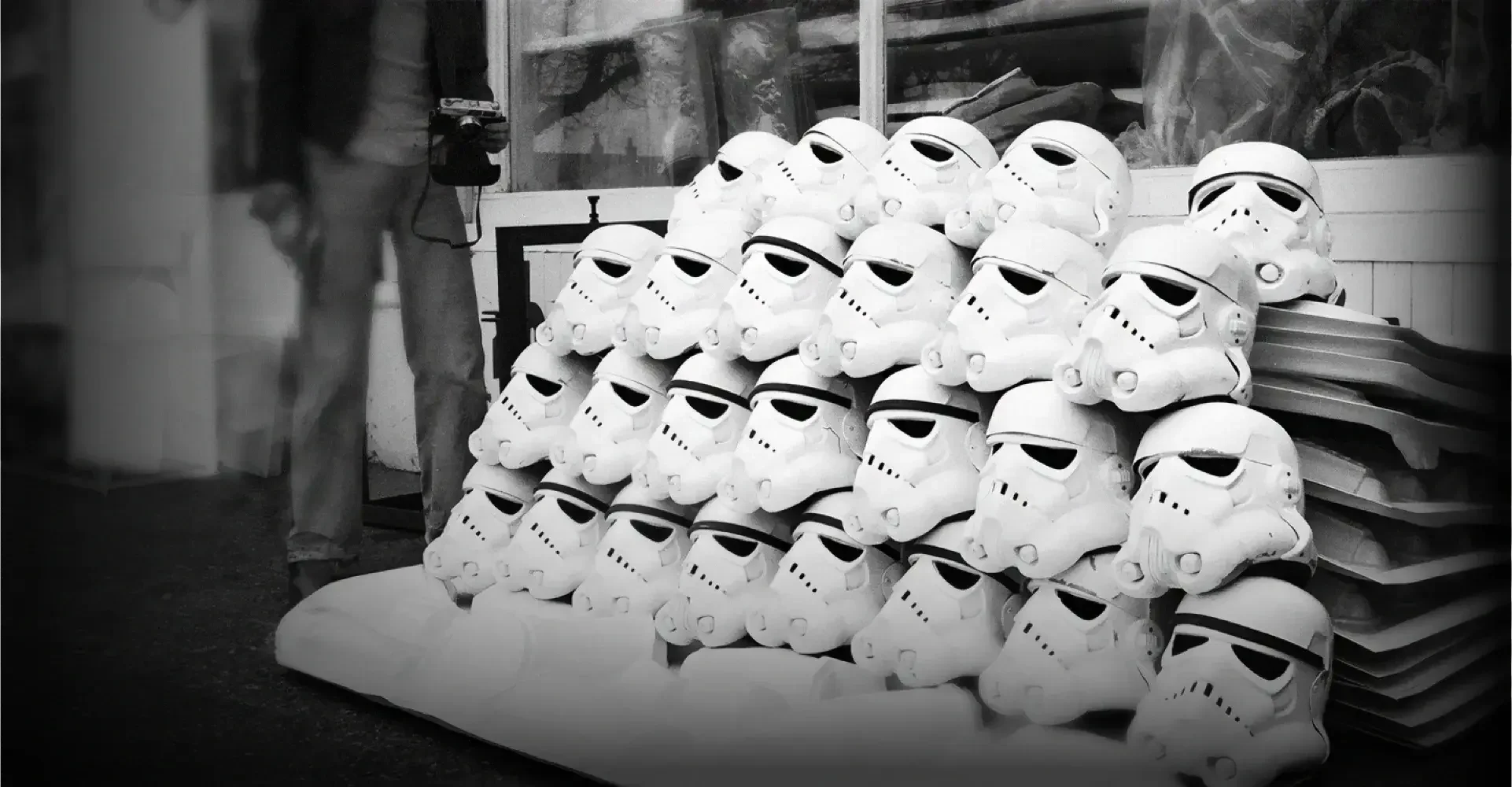
Andrew Ainsworth lived a couple of doors away on Twickenham Green and was building up an Industrial Design business manufacturing his own products. Some of these used vacuum formed plastics and Andrew had built these forming machines to his own design - meaning that complicated mouldings were possible.
Nick had several meetings with George Lucas at Elstree Studios and with the help of a concept drawing from Ralph McQuarrie, arrived at a clay model that Lucas accepted as the way forward. On returning from Elstree, Nick left the clay model in the car overnight which froze since it was January and ended up in a crumbled mess!
1976
"I'll Take Fifty!.."
Nick had already shown Andrew the model to ask if it was possible to make a character like this, even though it had few details and no surface finish at this stage. With the small McQuarrie sketch and memory of the clay model, Andrew set about making up a prototype, "with all the enthusiasm of youth, just as a punt to see if there was any work in the film industry".
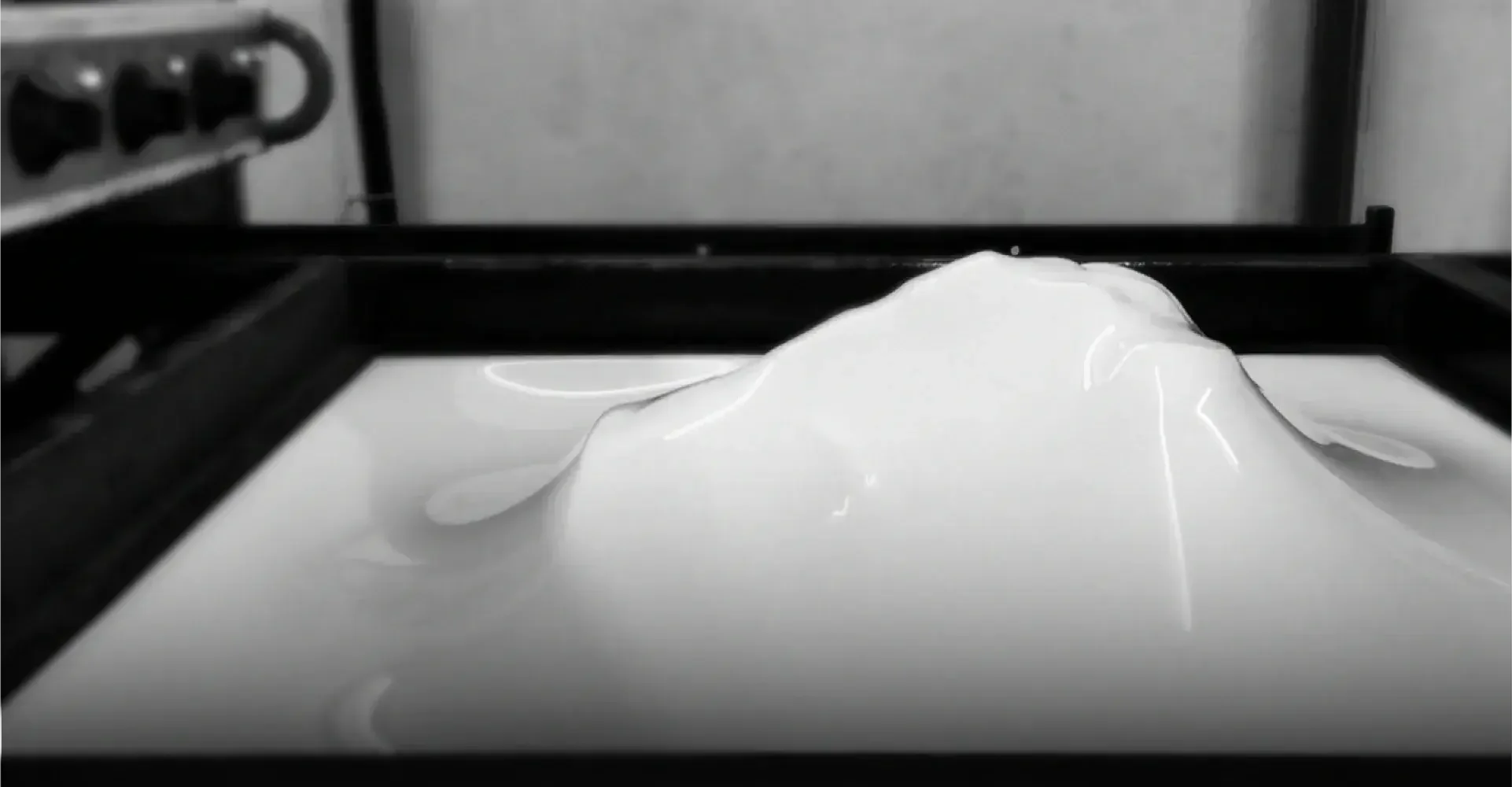
Having developed a creative way to make moulds and forming tools, Andrew produced a set of moulds with smooth sculpted surfaces that would produce plastic skins which could be combined to create a structurally sound Stormtrooper helmet. A helmet with enough undercuts around the neck to be convincing of a futuristic being and not just an actor in a costume.
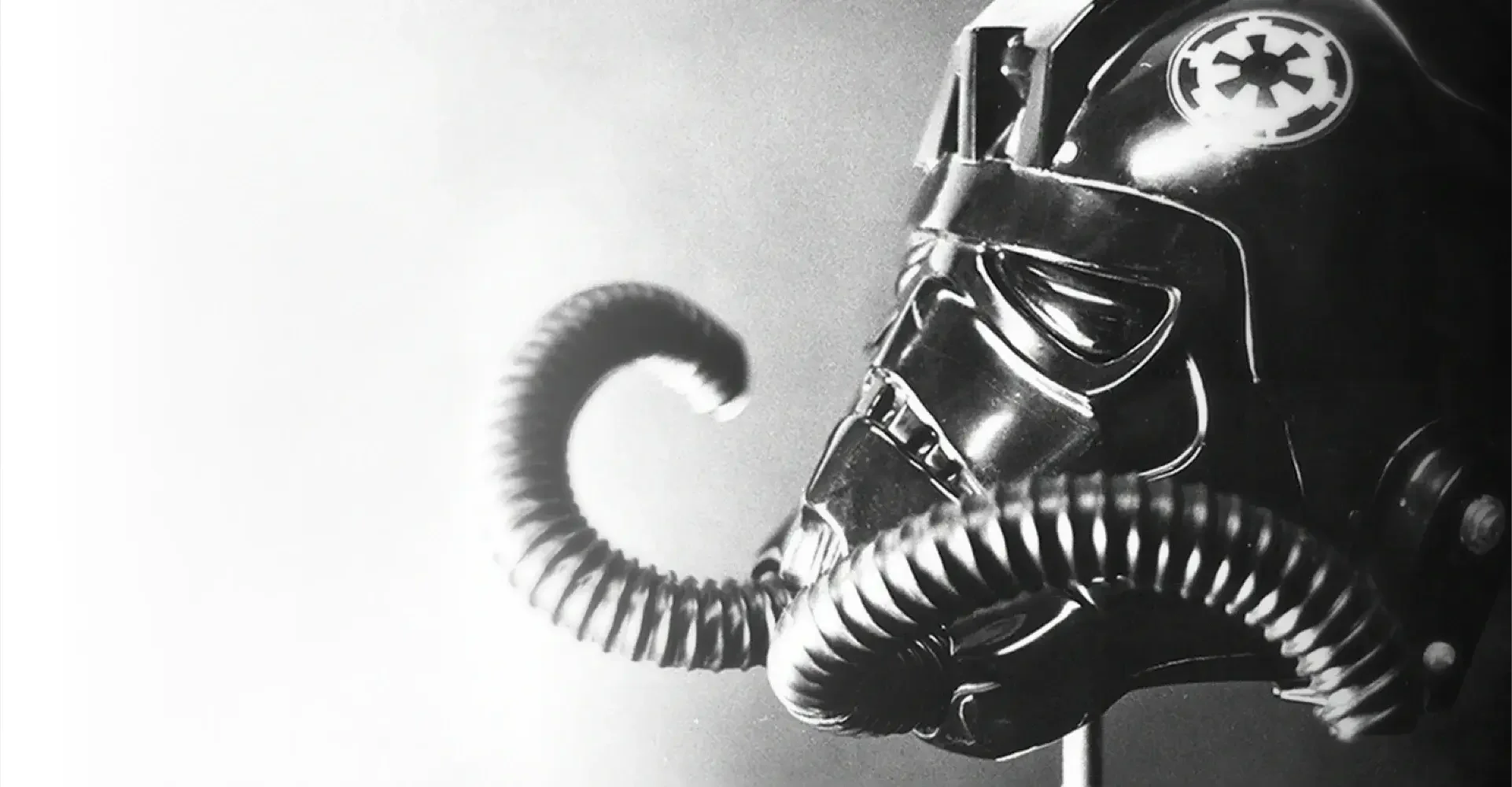
Nick took this prototype to Lucas, who immediately accepted it and ordered 50...
1977
"Roll on the classics"
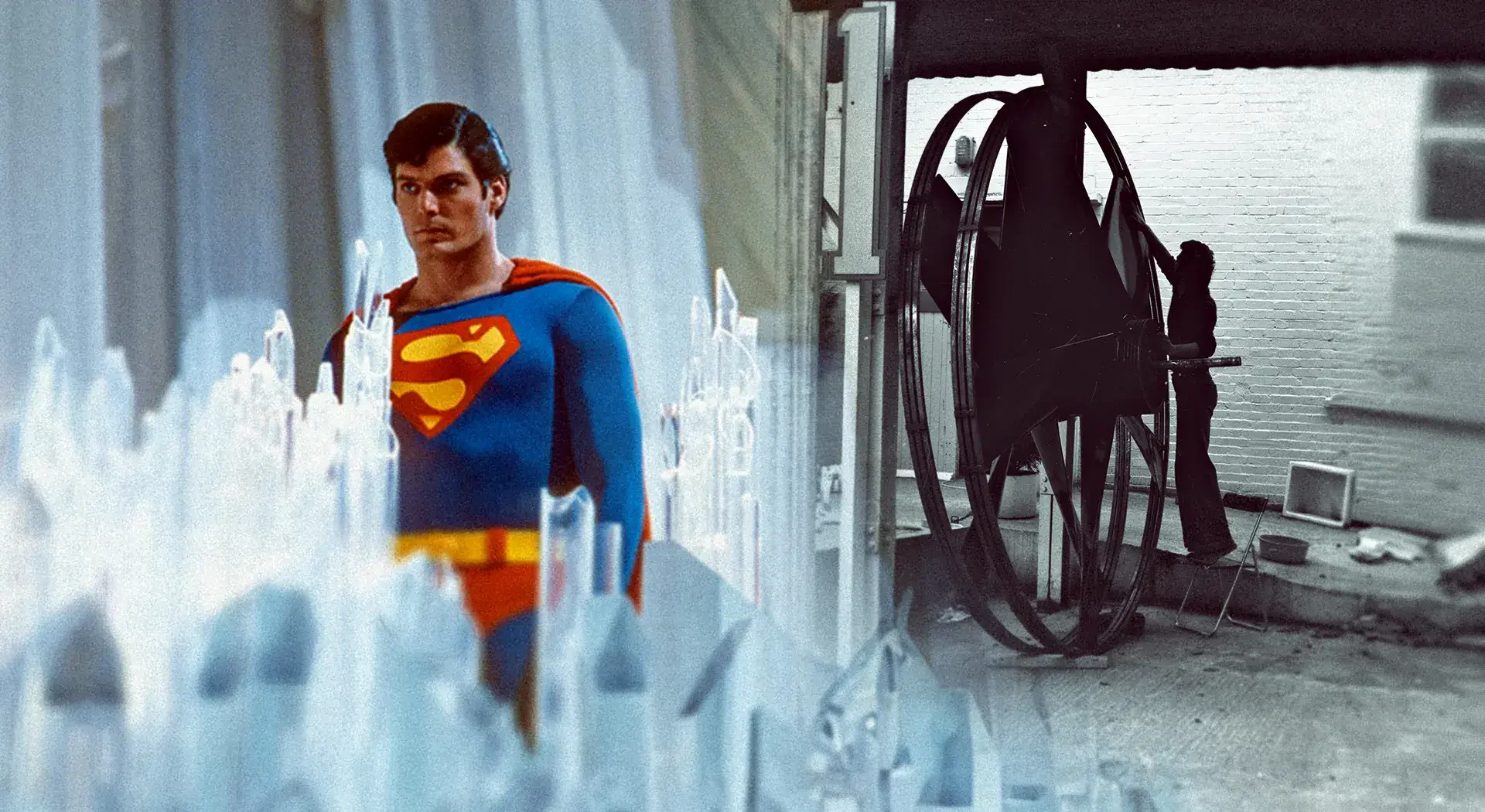
Dovemead Productions, filmed at Shepperton Studios. Wally Vivas, an expert in front projection, approached Andrew to see if it was possible to use a real man to play Superman. The concept was to suspend Superman in the air on a wire in front of a “front projection” screen and use lightweight fans to create the background wind and the movement of the cloak. An exciting proposition...
Andrew and his team made hundreds of crystals that made up the birthplace of Superman. Each one was individually sculpted from Acrylic and polished to perfection.
1978
"Alien"
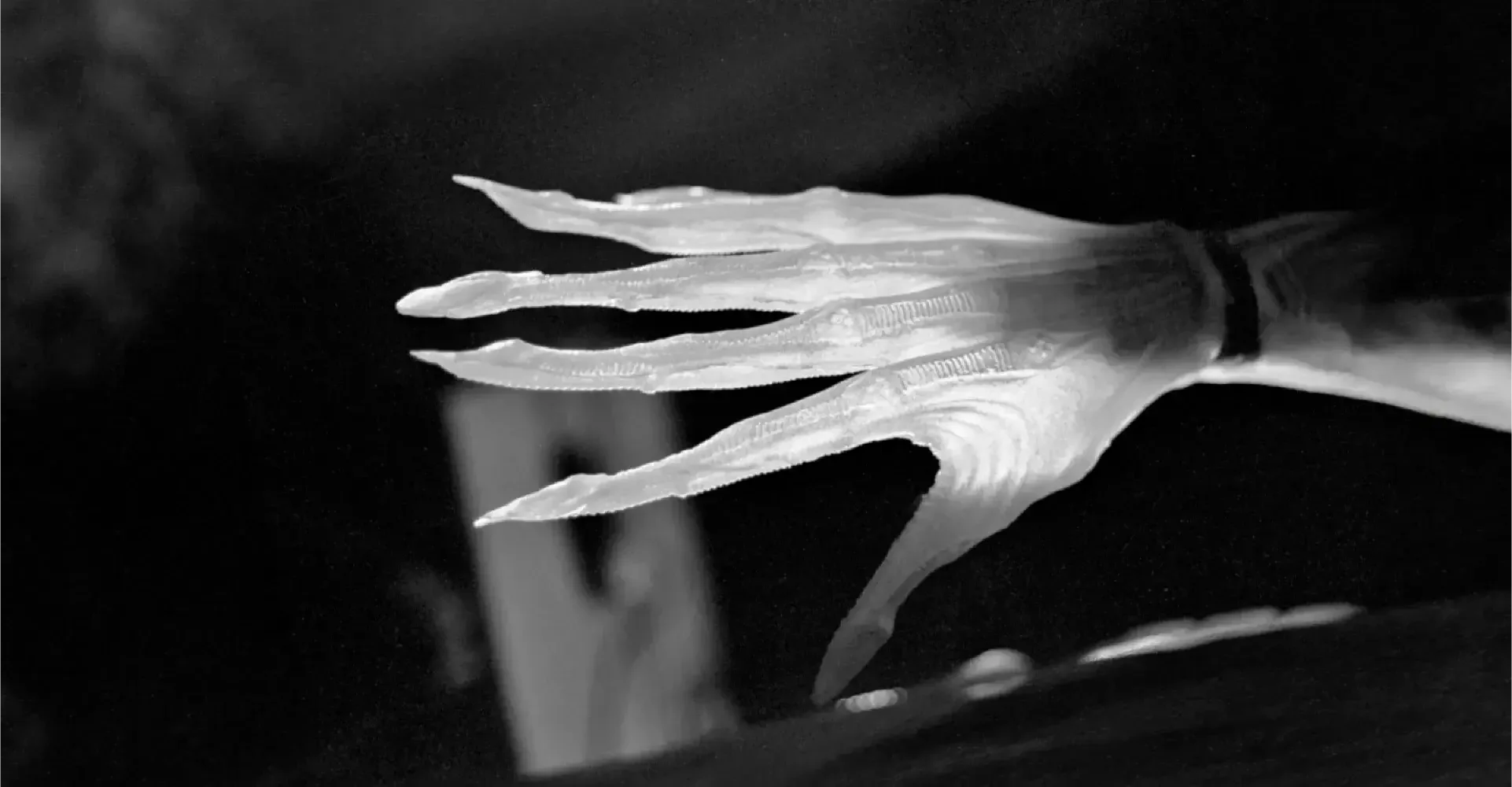
A Ridley Scott film made at Shepperton Studios. Andrew developed the iconic “Face Hugger” with fine plasticised skin. The impression for the tail was taken from a snake skin. A pneumatic compressed air actuator was used to pull & push the finger wires. Resulting in crab-like walk and ability to clamp onto any unsuspecting being - gruesome...
Giger`s concept of a monster that was translucent, showing all internal organs, was always going to be challenging in the time scale! Andrew developed a material and moulding process using the same material from the “Face Hugger” concept but ultimately time had run out - Ridley Scott said OK, let`s go without the monster, it might even add to the suspense!
1979
"Flash Gordon"
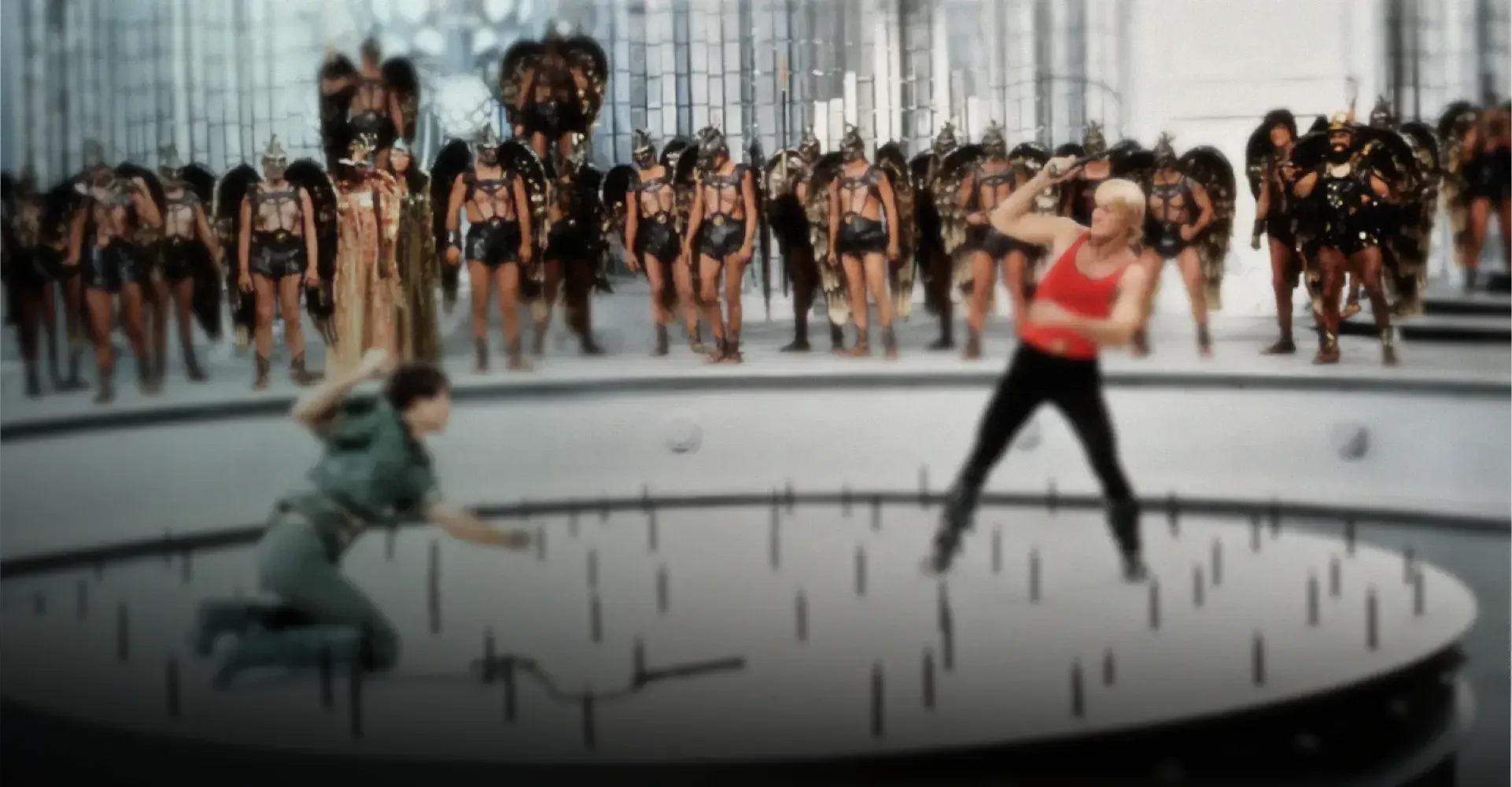
Brian Blessed played a main character as Prince Vultan, dressed in a spectacular costume with enormous wings and feathers made by Andrew and his crew.
The production company was Starling Productions Ltd, using Shepperton Studios as the main production studio, and the famous Italian director Dino de Laurentis. Andrew created the Hawkmen's helmets, wings, vast backdrops, rugby footballs and even scale models to create the illusion of Hawkmen in flight!
1980
"Excalibur"
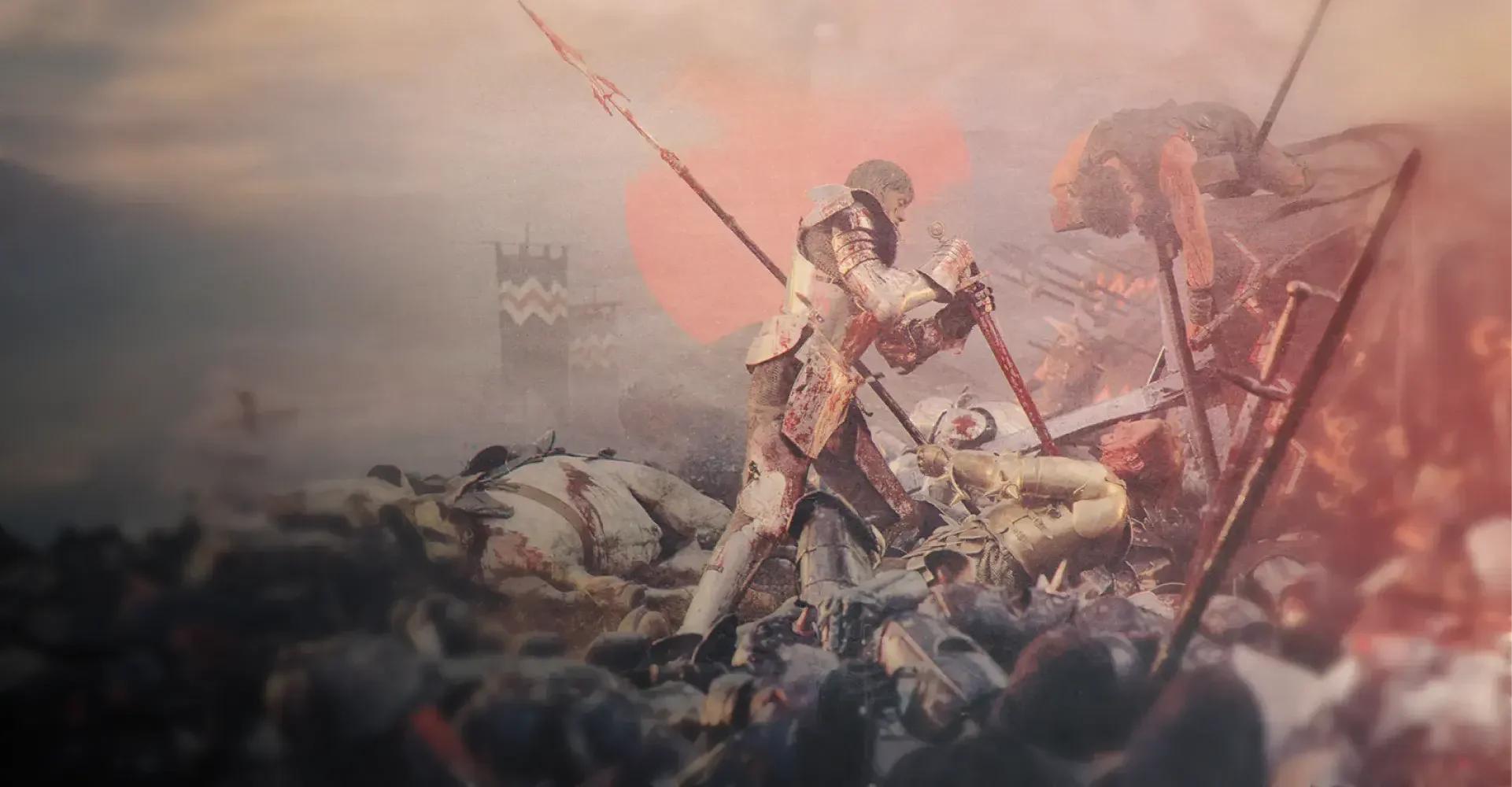
A John Boorman film, shot in Ireland at Ardmore Studios, Bray, Co Wicklow. With Helen Mirren and Liam Neeson in starring roles.
There was a demand for many, many weapons and so Andrew devised a production method to make swords on a truly epic scale.The lads employed as film extras in Ireland really gave value for money, their enthusiasm for accurate battle re-enactment was second to none. To avoid them actually killing themselves, Andrew created flexible battle weapons that allowed the armies beat the sh*!t out of each other.
2002
"Resurrection"
After working in the movie business during the late 70's, Andrew Ainsworth spends the next 25 years successfully designing and producing watersports products. He recalls "We were back in the house in Twickenham which we'd rebuilt after a fire. I was being hassled for school fees (how life changes). On top of the wardrobe were a few remnants of a past era - yes - Star Wars characters.
Almost without my knowledge, they were dispatched to Christie's for a Christmas auction! Even I was surprised when they fetched £60,000. With the school fees paid and the phone vibrating itself off the wall with enquires...
2004
"...The Legacy Moulds!"
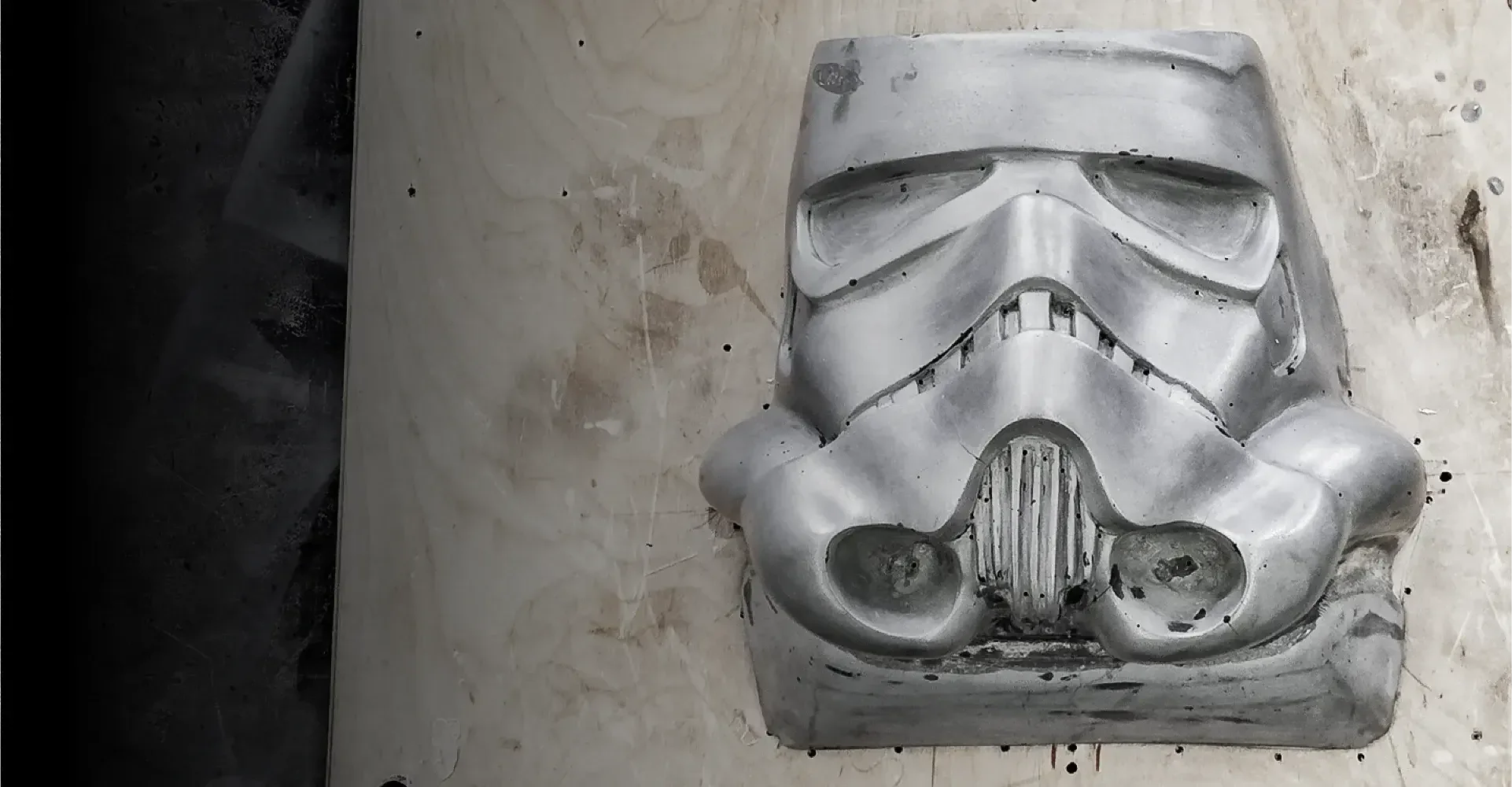
While at Shepperton Studios Andrew meticulously kept all the moulds with protective skins moulded and left on them until further use.
“We used to sell the same props, or derivatives of, several times over as new production companies came and went... This was standard practice and in fact, the prop stores are without a doubt the most fascinating insight into movie history. The word ‘prop’ means property and the items we retained from film productions were our property - it was our business to reinvent them, or sell them again for the production of lesser movies or maybe ads.
2004
"...Lucasfilm sues for $20M"
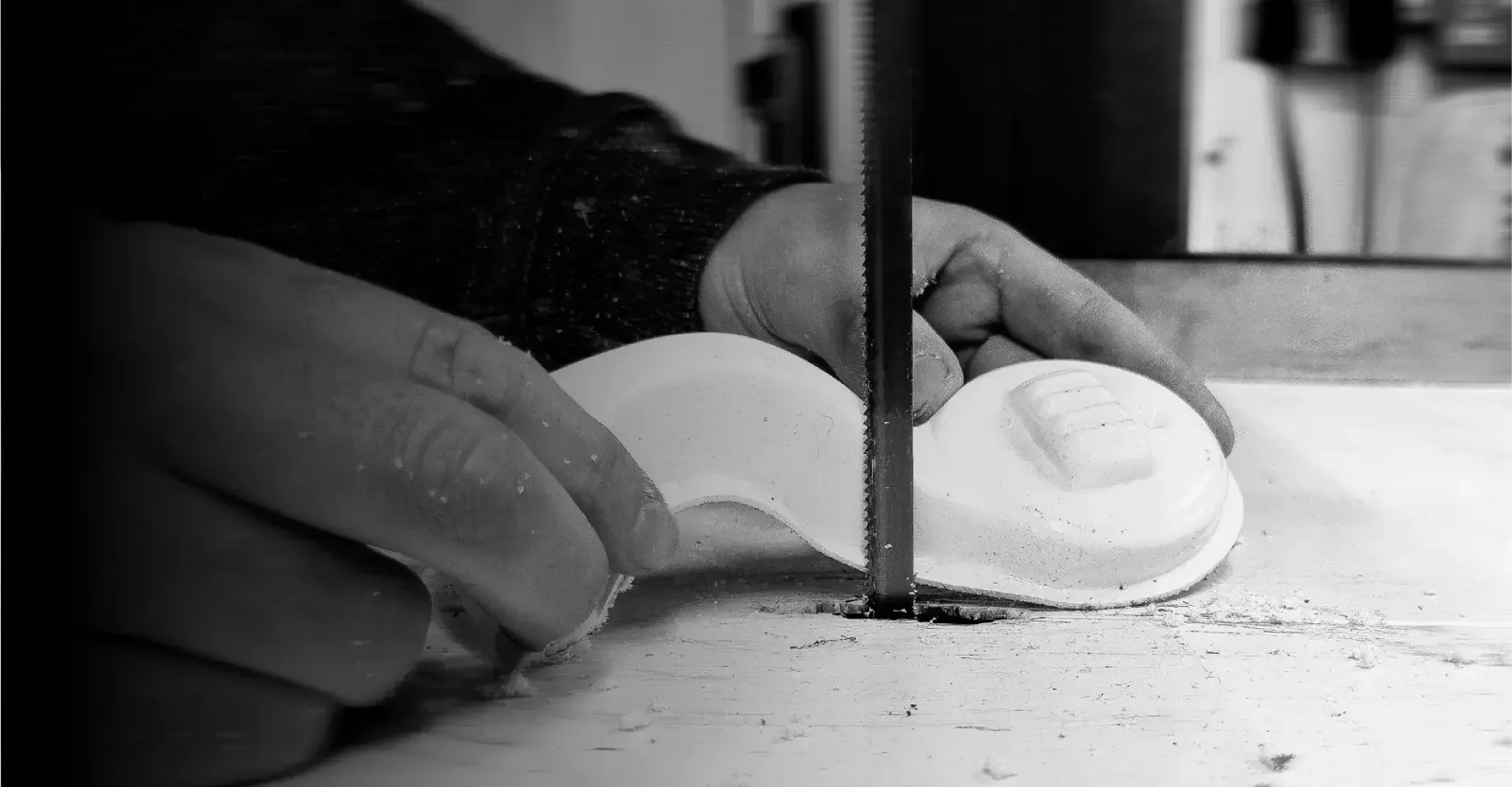
In 2004, Andrew began producing replica ANH Stormtrooper helmets. Each helmet was handmade by Andrew using the original moulds. The movie memorabilia market had really grown in popularity by then and there was a great deal of interest in authentic replicas. "I started to make the helmets and sold around 19 of them to Star Wars fans in the USA".
Lucasfilm subsequently sued Andrew in the United States and a California court awarded $20 million in damages against him. Andrew did not have the means to defend the case in the USA, recalling that "taking on Lucas on his home patch is not a good idea". The upshot was that Andrew stopped selling his Stormtrooper helmets in the USA.
2011
"Star Wars Saga... Justice"
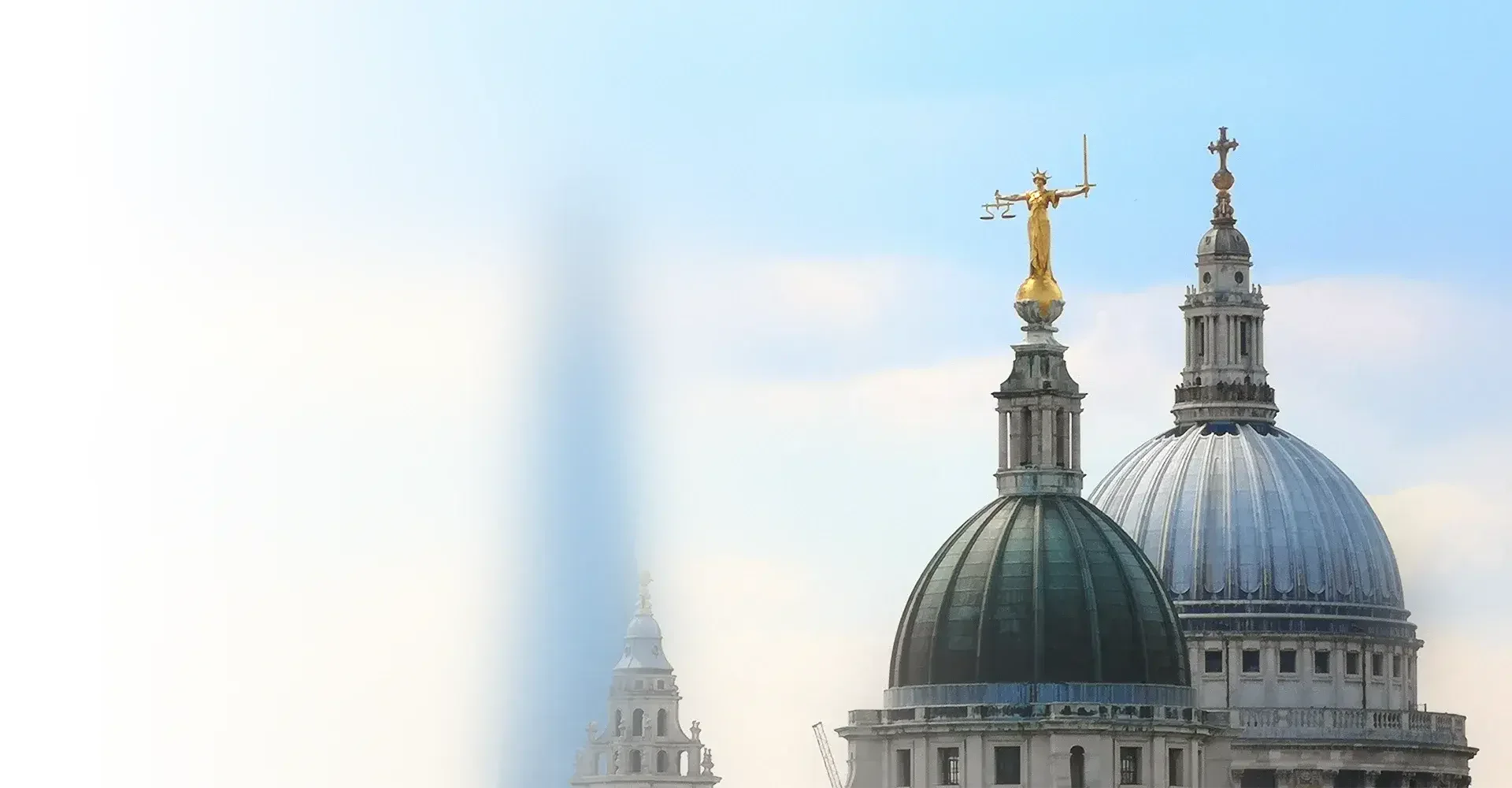
Lucasfilm then looked to enforce the American copyright ruling in the UK and brought the case to the High Court in London. After an appeal in The Times Newspaper, Andrew received offers from leading barristers to represent him in the case.
To cut to the chase, the case went to appeal where Lucasfilm failed to enforce its US copyright in Britain and Lucasfilm's appeal was dismissed in December 2009. Andrew Ainsworth won each of the copyright claims made against him leaving him free to continue producing and selling his authentic replica helmets in the UK, Europe and the rest of the world excluding USA.
2011
"Star Wars Saga... Justice"
Lucasfilm then looked to enforce the American copyright ruling in the UK and brought the case to the High Court in London. After an appeal in The Times Newspaper, Andrew received offers from leading barristers to represent him in the case.
To cut to the chase, the case went to appeal where Lucasfilm failed to enforce its US copyright in Britain and Lucasfilm's appeal was dismissed in December 2009. Andrew Ainsworth won each of the copyright claims made against him leaving him free to continue producing and selling his authentic replica helmets in the UK, Europe and the rest of the world excluding USA.
NOW!
"Glimmer of new hope!"
Today Andrew and the team at Shepperton Design Studios continue to make the most authentic film replicas from Star Wars A New Hope [1977] using the same process and original moulds from the first film production...